
Common Fraudulent Undervaluation Methods
Estate & Probate Fraud: Executors or individuals with Power of Attorney may work with a valuer to provide a low valuation. This allows them to "buy out" other beneficiaries at a lower price or reduce inheritance tax (IHT) liability, as seen in ongoing probate disputes in early 2026.

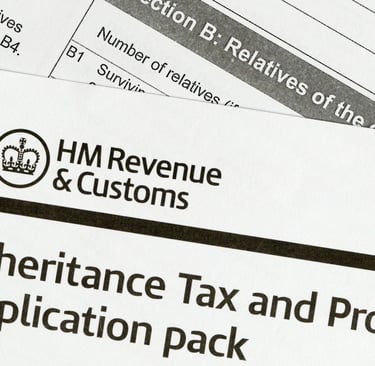
IHT FRAUD
Any Tax fraud is serious including Inheretance Tax Fraud
In defrauding CJWF there are two possible outcomes with the Revenue figures.
Are the figures different? If they are then there will be a fraud on CJWF and possibly the revenue.
If they are the same figures then there will a fraud on CJWF and on HMRC. They will want the extra Tax with penalties and interest.

UK INHERITANCE TAX (IHT FRAUD)
Involves deliberately misrepresenting an estate's value to HMRC to pay less tax, ranging from understating assets to outright falsifying accounts (HMRC Manual IHTM36291).
HMRC investigate deliberate misstatements or omissions in IHT accounts, with penalties depending on the severity and cooperation.
How HMRC Deals with Fraud
Investigation: HMRC investigates cases of suspected fraud, potentially leading to interviews under caution (Report Fraud).
Penalties: They can impose penalties for deliberate actions, negligence, or unreasonable delays in correcting errors (HMRC Manual IHTM36122).
Publicity: Details of deliberate tax defaulters can be published (GOV.UK).
HMRC penalties for tax fraud in the UK range from significant financial penalties (up to 200% of tax evaded) to criminal prosecution, including imprisonment for up to life for serious cases like "cheating the public revenue," with punishments depending on deliberate action, concealment, and the type of tax involved.
Penalties for deliberate inaccuracies can be 30-100% of the tax, while providing false documents can mean up to 6 months in jail or a £20k fine, with serious evasion leading to 7 years prison and unlimited fines.
Other Consequences
Public Naming: Deliberate defaulters may be publicly named by HMRC, damaging reputation.
Corporate Liability: Companies can also face criminal prosecution if employees facilitate evasion.
Financial Penalties (Civil)
Deliberate Inaccuracy: Penalties of 20-70% of the extra tax due, rising to 30-100% for deliberate and concealed inaccuracies.
Unreported Income/Overseas Assets: Can be up to double (200%) the tax owed.
False Documentation: Up to a £20,000 fine, or more in serious cases.